


Sago Palms & Toxic Plants in Alvin, TX: How to Protect Your Pets from Coastal Garden Hazards
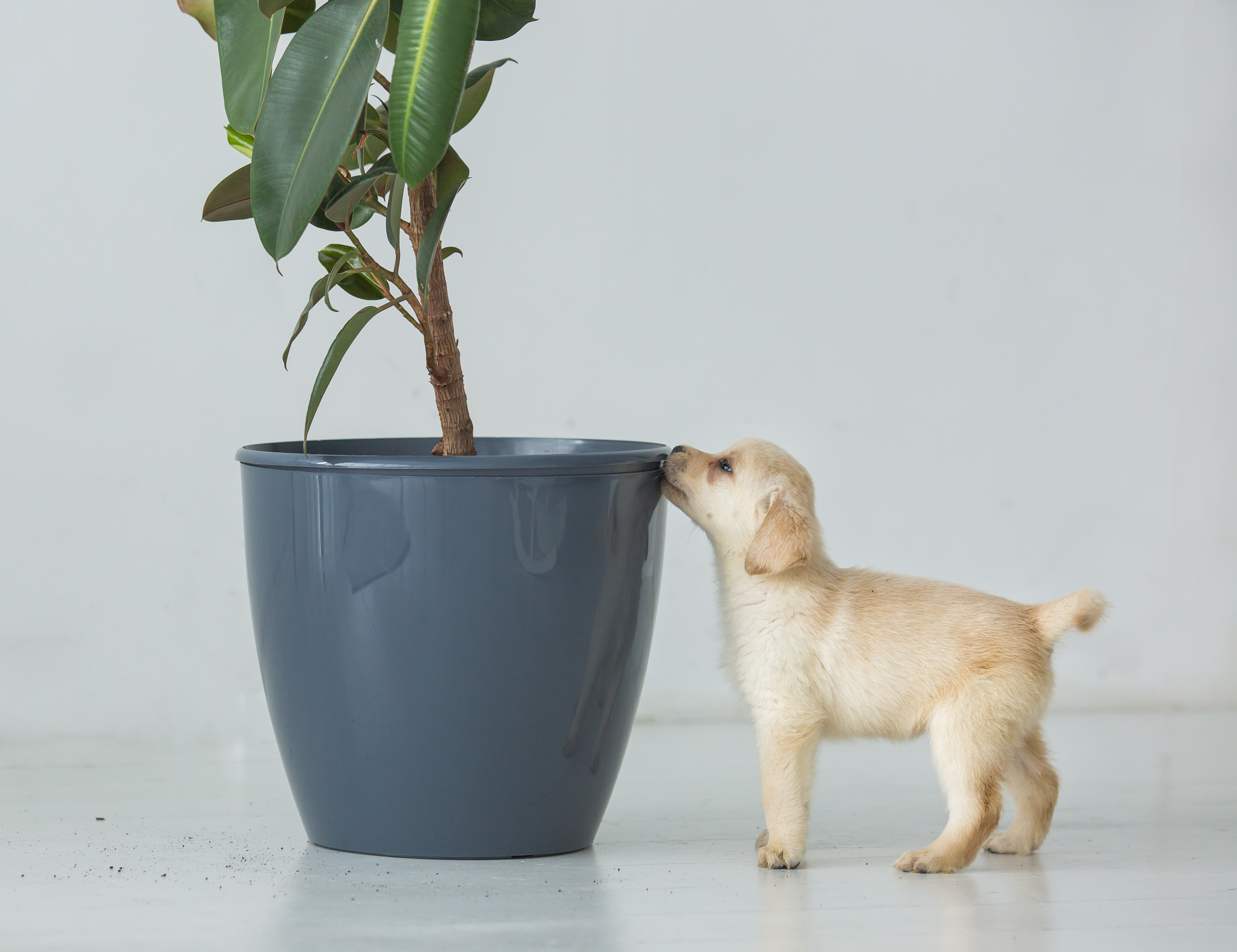
Homeowners enjoy a warm Gulf Coast climate that supports beautiful gardens and lush landscaping. However, some popular outdoor plants can pose serious health risks to dogs and cats. Sago palms and other toxic plants may cause severe poisoning if pets chew or ingest them. At Alvin Animal Clinic, we want pet owners to recognize these hidden hazards and take steps to keep their animals safe.
Why Are Sago Palms Dangerous for Pets?
Sago palms are ornamental plants commonly found in landscaping throughout warmer regions, including Southeast Texas. Although they resemble small palm trees, they belong to the cycad family and are highly toxic to pets.
Every part of a sago palm is poisonous, including the leaves, roots, and seeds. The seeds contain particularly high concentrations of cycasin, a toxin that can cause severe liver damage.
Signs of sago palm poisoning may include vomiting, diarrhea, lethargy, loss of appetite, and, in severe cases, jaundice or abnormal bleeding. Liver failure can develop even after initial symptoms appear mild.
If your pet ingests any portion of a sago palm, seek emergency veterinary care immediately. Early treatment is critical.
Other Toxic Plants Found in Alvin Gardens
Sago palms are not the only landscaping hazard. Several attractive garden plants can be dangerous to dogs and cats.
• Oleander: This flowering shrub contains toxins that can cause vomiting, abnormal heart rhythms, and potentially life-threatening complications.
• Azaleas and Rhododendrons: Ingestion may cause drooling, vomiting, weakness, and, in severe cases, cardiovascular or neurological problems.
• Lilies: Many true lilies are extremely toxic to cats and can cause acute kidney failure. Even small exposures, including pollen or vase water, can be dangerous.
• Daffodils and Tulips: These flowering plants contain compounds that can cause gastrointestinal irritation, particularly when pets ingest the bulbs.
Before adding new plants to your Alvin property, research their toxicity and choose pet-safe alternatives.
How to Create a Pet-Safe Garden
Preventing toxic plant exposure starts with evaluating your landscaping. Walk through your yard and identify potentially hazardous plants, including those growing near fences, patios, and outdoor play areas.
We recommend removing highly toxic plants, particularly sago palms, from areas accessible to pets. Keep garden clippings, fallen seeds, and plant debris out of reach.
Alvin's coastal weather can also bring heavy rain and strong winds that scatter branches, seeds, and other plant material. Inspect your yard after storms before allowing pets outside. Supervise curious pets outdoors, especially puppies and younger dogs that frequently explore their surroundings by chewing.
What Should You Do If Your Pet Eats a Toxic Plant?
If you suspect your pet has eaten a poisonous plant, contact a veterinarian immediately, even if your pet appears healthy. Some toxins can cause internal damage before noticeable symptoms develop.
Do not induce vomiting or administer home remedies unless specifically instructed by a veterinarian. If possible, take a photograph or safely collect a sample of the plant to help identify the toxin.
Protect Your Pets with Alvin Animal Clinic
Protect your pets from toxic plants and outdoor hazards with trusted veterinary guidance from Alvin Animal Clinic. Visit us in Alvin, TX, or call (281) 271-5630 to learn more about keeping your pets safe and healthy.


Hours
Monday 7:30 am - 5:30 pm
Tuesday 7:00 am - 5:30 pm
Wednesday 7:00 am - 5:30 pm
Thursday 7:00 am - 5:30 pm
Friday 7:00 am - 5:30 pm
Saturday 8:00 am - 12:00 pm
Sunday Closed
Monday 7:30 am - 5:30 pm
Tuesday 7:00 am - 5:30 pm
Wednesday 7:00 am - 5:30 pm
Thursday 7:00 am - 5:30 pm
Friday 7:00 am - 5:30 pm
Saturday 8:00 am - 12:00 pm
Sunday Closed

Powered by: 